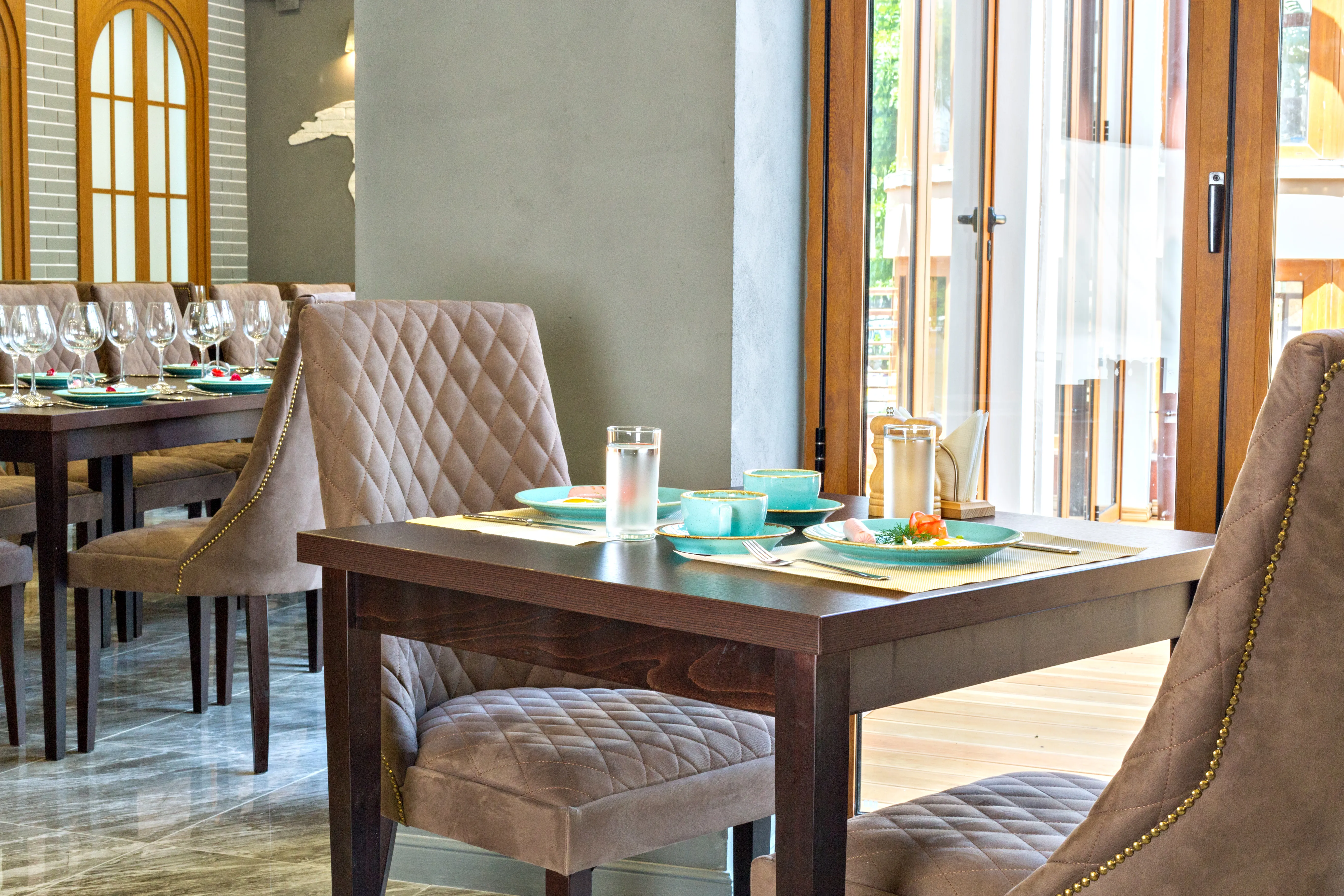
A furniture buyer sees the finished chair, the quoted price and the delivery date. Behind those three things sits a much longer chain of decisions: how the frame is made, how the fabric is cut, which sample becomes the production standard, how materials are purchased and how the finished product is packed.
Each decision affects what the buyer eventually receives. A small change to a chair’s construction can require a new welding fixture. A custom fabric can introduce a longer purchasing cycle. Packaging that looks acceptable at the factory can still allow movement during transport.
During U-LIKE’s factory tour, these connections were a recurring subject. The discussion moved from metalworking and upholstery to sample development, material storage, quality control and packaging. Throughout the visit, the emphasis was on making production more organized, more consistent and better suited to different types of orders.
That is where lean manufacturing becomes relevant to buyers. Its value lies in the way the factory prepares, coordinates and checks the work behind each product.
What’s Lean Manufacturing?
Lean manufacturing is an approach to organizing production that reduces wasted time, materials and unnecessary work while maintaining consistent quality.
The origins of Lean Management trace back to the Toyota Production System (TPS), established by Taiichi Ohno and Eiji Toyoda in the post-war years. The TPS was designed to eliminate waste and optimize efficiency in the automobile production process, with principles such as Just-In-Time (JIT) and autonomation, promoting demand-driven production and minimizing inventory. This method quickly proved its value, transforming Toyota into a global leader in the automotive industry. Now it applies universally to manufacturing, healthcare, software, and services.
In furniture manufacturing, this means setting clear specifications before production, arranging workstations so parts move smoothly between operations, and identifying problems early. It also involves matching the production method to the order, whether that is a mixed batch of several designs or a large repeat order for one model. The aim is to use people, equipment and materials effectively so the factory can deliver the agreed product with fewer delays and less rework.
Setting the Standard Before Production
Consistency begins with a clear agreement on what the factory is expected to make.
In furniture development, a photograph or an attractive design can start a conversation, but it leaves many practical questions unanswered. Dimensions, proportions, construction details and upholstery requirements need to be translated into information that production teams can use.
At U-LIKE, technical drawings are central to that process. They provide a common reference for product managers, designers, development teams and workshop staff. When everyone works from the same defined construction, there is less room for individual interpretation.
This matters because a sample can look convincing while still leaving production questions unresolved. The team must establish how to reproduce it, which tools are required and whether the agreed result can be maintained across a larger order.
The tour distinguished between development samples and production-ready samples. Development is the stage for discussing changes and resolving the product’s construction. Production preparation takes those decisions further, confirming the process and checking it through a trial batch.
The approved sample then becomes a reference for the people making and checking the order. Its details need to remain accessible on the production floor, where they can guide the work.
For buyers, the practical implication is straightforward: settle important specifications before production preparation is complete. A late change can affect materials, fixtures, work instructions and the delivery schedule. Clear approval gives the factory a dependable starting point.
Matching the Production Method to the Order
Furniture orders vary considerably. One customer may need several models in a mixed shipment. Another may place repeat orders for a single chair in substantial quantities.
Those orders place different demands on a factory, and the tour showed how U-LIKE is organizing production to accommodate them.
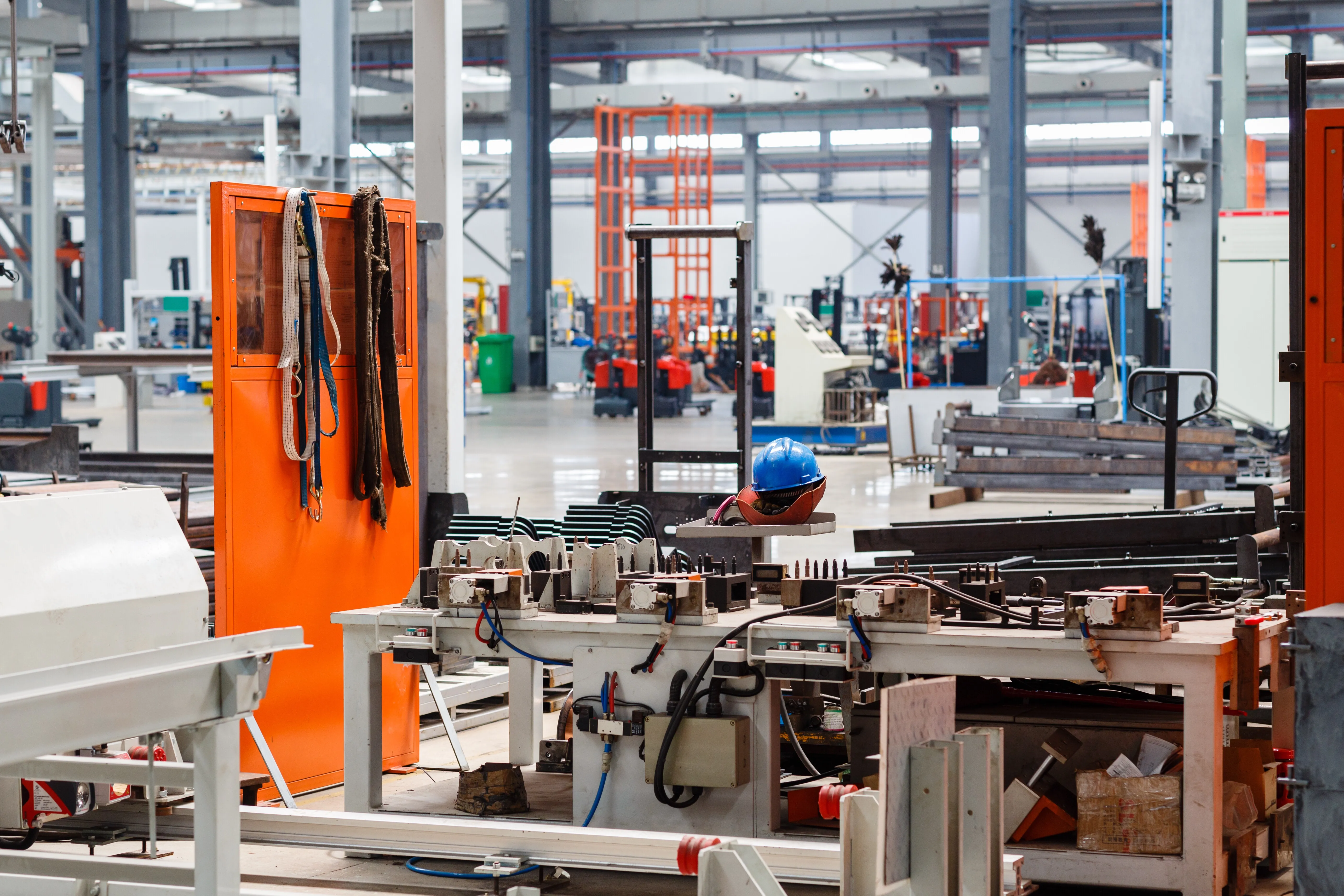
In the main factory, the updated metalworking layout connects operations in sequence. Laser cutting, stamping, tube forming, welding and grinding are arranged to support a more continuous flow of work.
Previously, grouping similar machines together meant parts moved between larger process areas. Connecting the operations creates a clearer route through production and supports the handling of different products in smaller batches.
The upholstery area follows a similar principle. Products move between defined stations, with workers carrying out their assigned operations along the line. This reduces the amount of carrying and repositioning needed between stages.
Alongside this flexible arrangement, the dedicated 611 line follows a more specialized approach. Repeated production allows tasks to be divided into fixed operations, with workers concentrating on a particular part of the process.
The distinction is important. A dedicated line gains efficiency when enough suitable orders keep its stations working steadily. A flexible line accommodates greater variety, but must manage more frequent changes in materials, settings and work instructions.
For buyers, this helps explain why order quantity and product mix influence a quotation. The number of chairs is one consideration. How those chairs are distributed across models, finishes and constructions also affects the work required.
Understanding Where Automation Adds Value
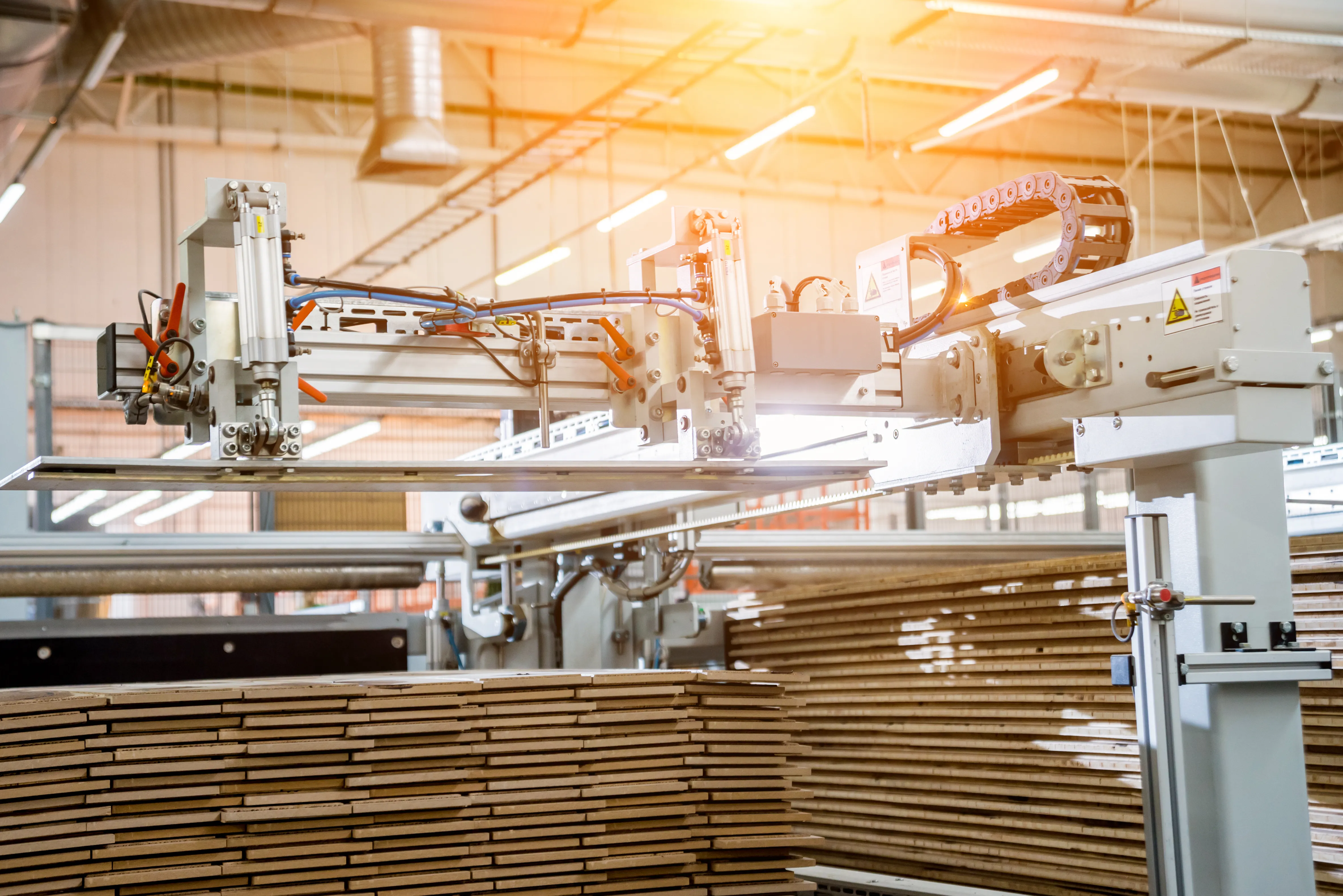
The tour included laser cutting, robotic welding, computer-controlled fabric cutting and conveyor systems. These investments have value when they suit the operation being performed.
Repeatable work gives automated equipment a clear advantage. Once the product, fixture and settings are established, the machine can perform the same operation consistently over successive units.
However, preparation is part of the calculation. A welding robot needs an appropriate fixture and a confirmed setup. Moving to another model may require adjustments, testing or different tooling. For a very small order, that preparation can account for a significant share of the total production effort.
Skilled workers remain important alongside automated equipment. The factory also uses argon arc welding, a process that requires trained, experienced operators. Depending on the product and the joint being made, the team selects the appropriate equipment and welding method to meet the construction requirements.
This is why a factory can use advanced equipment and still depend on experienced workers. The production method needs to follow the product’s material, geometry and finish requirements.
Buyers benefit from understanding that relationship. Asking how a particular frame is cut, welded and finished can reveal more than asking whether the factory has robots. The useful question is how the selected process supports the agreed product and order.
Building Quality into Each Stage
A finished-product inspection provides an important check, but defects can originate much earlier.
A problem may begin with incoming material, an unclear instruction, an unsuitable handling method or a difference between the approved sample and the work being performed. By the time the chair reaches final inspection, correcting it may require substantial rework.
U-LIKE’s tour highlighted controls at several points in production. These included material standards, reference samples, quality information displayed in the workshop and checks before semi-finished goods enter storage.
One clear example was needle detection. Sewn upholstery covers pass through a detector before storage to check for broken needle fragments. It is a specific control placed at the stage where that risk needs to be addressed.
The tour also discussed identifying inspected material and keeping accepted and unaccepted parts from being mixed. This gives workers a clearer indication of what can move to the next operation.
Traceability adds another layer. Linking a product to its production line, work station and inspection record gives the team information to investigate when an issue appears.
For a buyer, this becomes especially valuable during a complaint. The factory needs to establish which goods may be affected, where the problem arose and what needs to change. Records make that investigation more precise and support a response based on evidence.
Making Standards Visible on the Workshop Floor
A standard only helps when the people doing the work can use it.
During the tour, management repeatedly returned to reference samples, drawings and workshop information boards. These bring requirements closer to the operation, where workers and supervisors need to make decisions.
An approved sample can help clarify upholstery appearance, shape and finishing details. A drawing defines dimensions and construction. A quality board can draw attention to a problem that has occurred before and needs particular care.
The usefulness of these references depends on maintenance. When the product or requirement changes, the information at the station must change with it. Otherwise, the workshop may continue working from an earlier version.
The discussion also emphasized that sample management should have substance. Displaying a sample is useful when it corresponds to the current work and is actively used to check the result.
For buyers, this is a practical subject to explore during a factory visit. Ask how the agreed specification reaches the production floor, how revisions are communicated and which reference inspectors use. Those answers show how customer requirements are carried into daily work.
Controlling Materials and Avoidable Waste
Material planning connects purchasing decisions directly to cost and delivery.
Fabric provided a useful example during the visit. Different customers may request different colors, textures and performance requirements. Purchasing those materials involves supplier minimums and lead times that do not always match the quantity needed for an individual order.
When an order changes or repeat demand does not materialize, the remaining custom fabric can stay in stock. It occupies space and ties up money, while its future use may be limited.
The tour addressed this openly. Better storage helps the factory see and manage materials, while better forecasting helps determine what should be purchased in the first place.
Computer-controlled cutting contributes at another stage. Planning the layout of upholstery pieces can improve material use and reduce inconsistencies associated with manual marking and cutting.
These improvements depend partly on information from customers. Earlier confirmation of fabric, clearer repeat-order forecasts and prompt communication about changes give the factory a stronger basis for purchasing.
The same applies to delivery commitments. A production slot alone cannot establish when an order will be ready if a required material is still unavailable. Buyers and suppliers need to consider material readiness alongside manufacturing time.
Protecting Products Between Operations
Production includes many movements that are easy to overlook during a purchasing discussion.
Frames, upholstery components and semi-finished chairs may pass through storage areas and between workshops before reaching packing. Each transfer introduces the possibility of scratching, dirt or damage.
The tour drew attention to protective supports, wrapping and the way goods were secured during movement. These details matter because a well-made component can still be damaged before the product is complete.
Organized handling also makes abnormalities easier to identify. When goods have a defined place and a clear method of transfer, a fallen or damaged part is easier to separate and investigate.
For buyers, consistent handling supports the finish agreed at the sample stage. It also reduces the rework that can interrupt an otherwise prepared order.
Treating Packaging as Part of the Product
Packaging determines how the factory’s work survives the journey to the customer.
It needs to protect surfaces and vulnerable parts, control movement inside the carton and keep components together. For knock-down furniture, it also needs to present the product in a way the customer can unpack and assemble.
The tour described packaging development as a shared responsibility involving the packaging and product teams. Changes to the furniture’s structure can create opportunities to improve the pack, while packaging requirements can influence how the product should be designed.
A compact package can improve loading efficiency, but protection still needs to suit the contents. Sharp edges, delicate finishes and moving parts require particular consideration.
Packing work also benefits from clear responsibilities. Assigning defined operations helps workers concentrate on including components, placing instructions, checking contents and sealing cartons correctly.
For the buyer, packaging performance reaches beyond freight cost. It affects damage claims, replacement work, assembly experience and the condition in which the customer first sees the furniture.
That makes packaging a subject to confirm during development, while the team still has time to test and improve it.
Connecting Customer Requirements with Production
Many of the factory’s improvements depend on cooperation outside the workshop.
Sales teams need enough product knowledge to explain cost and delivery accurately. Designers need to understand construction and manufacturing constraints. Production teams need complete specifications, timely approvals and realistic information about demand.
The tour presented this coordination as an area requiring continued work. Digital systems can support order planning and visibility, but they depend on accurate product descriptions, material codes and other information being entered correctly.
For buyers, this explains why detailed questions during development are useful. Confirming construction, materials, packaging and approval requirements gives both sides a clearer basis for the order.
U-LIKE’s factory tour showed an ongoing effort to connect these decisions more closely. Flexible lines support product variety. Dedicated lines support repeated volume. Drawings, samples and process checks establish the standard, while material planning, handling and packaging help carry it through.
The benefit for buyers is a production process they can discuss in concrete terms: how their order will be made, what must be confirmed and how the factory will check the result. That understanding gives the commercial agreement a stronger foundation, from the first sample to the delivered product.
What This Means for Furniture Buyers
U-LIKE’s factory tour showed how decisions made throughout production affect the finished product. Clear drawings establish what should be made. Suitable production lines organize the work. Material planning, quality checks and packaging help ensure the order reaches the customer as agreed.
For buyers, these are useful points to discuss when evaluating a supplier. How will the factory handle the proposed product mix? What needs approval before production? How are changes communicated, and how will the finished goods be protected during shipping? The answers give a clearer picture of what sits behind the quotation.
At U-LIKE, lean manufacturing is an ongoing effort to bring these activities together. Its value will be measured in daily results: consistent products, fewer avoidable mistakes and delivery commitments supported by a well-prepared production process.
See How Your Order Would Be Made
Send us your product list, quantity and destination port. Our team replies within 24 hours with a quotation and sampling options.