
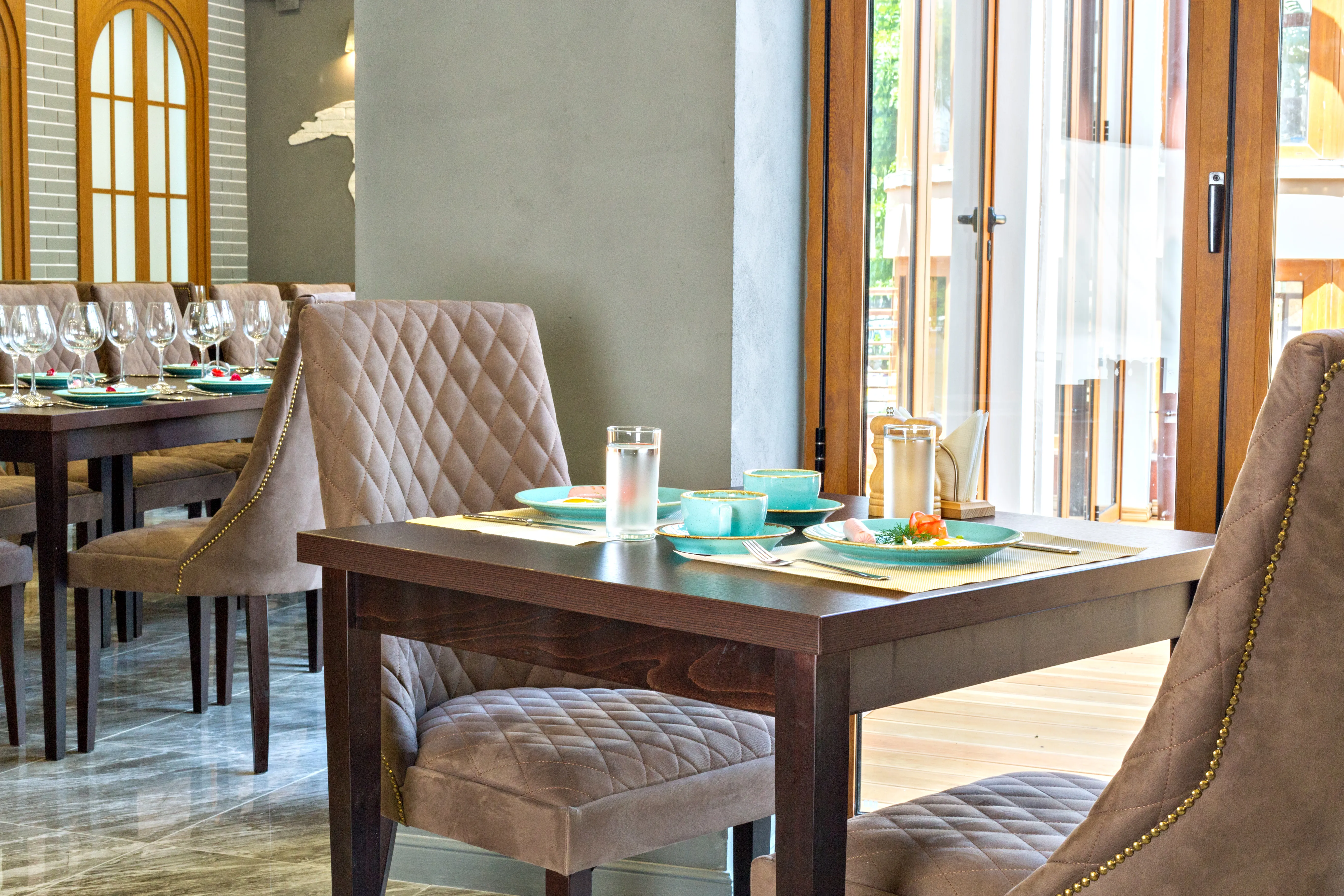
A restaurant chair is sat on hundreds of times a week, dragged across floors and wiped down every night. Most of its failures, such as loose joints, worn seats and chipped finishes, can be predicted before the order ships, as long as the right questions are asked at the quotation stage.
This guide is for UK and EU importers who supply restaurants, cafes and hotels. It covers the terms to agree, what to ask about construction and testing, and the EU timber rules that apply to wood-frame chairs from the end of 2026.
Treat it as a checklist, not a supplier ranking. The same questions work with any manufacturer you compare, including us.
Construction
What Makes a Chair Commercial
Frame, seat and finish: three areas to check before you look at the price.
A chair in a restaurant is used many times a day, moved constantly and cleaned often. That puts more load on the frame, the seat and the finish than a home chair ever sees.
Frame and joints
Frames are usually metal or solid wood. Either can work well. What matters is how the joints are made. Welded metal joints and well-fitted wood joints hold up better under daily use than joints that rely only on glue or staples. Ask the supplier to explain how the legs connect to the seat frame.
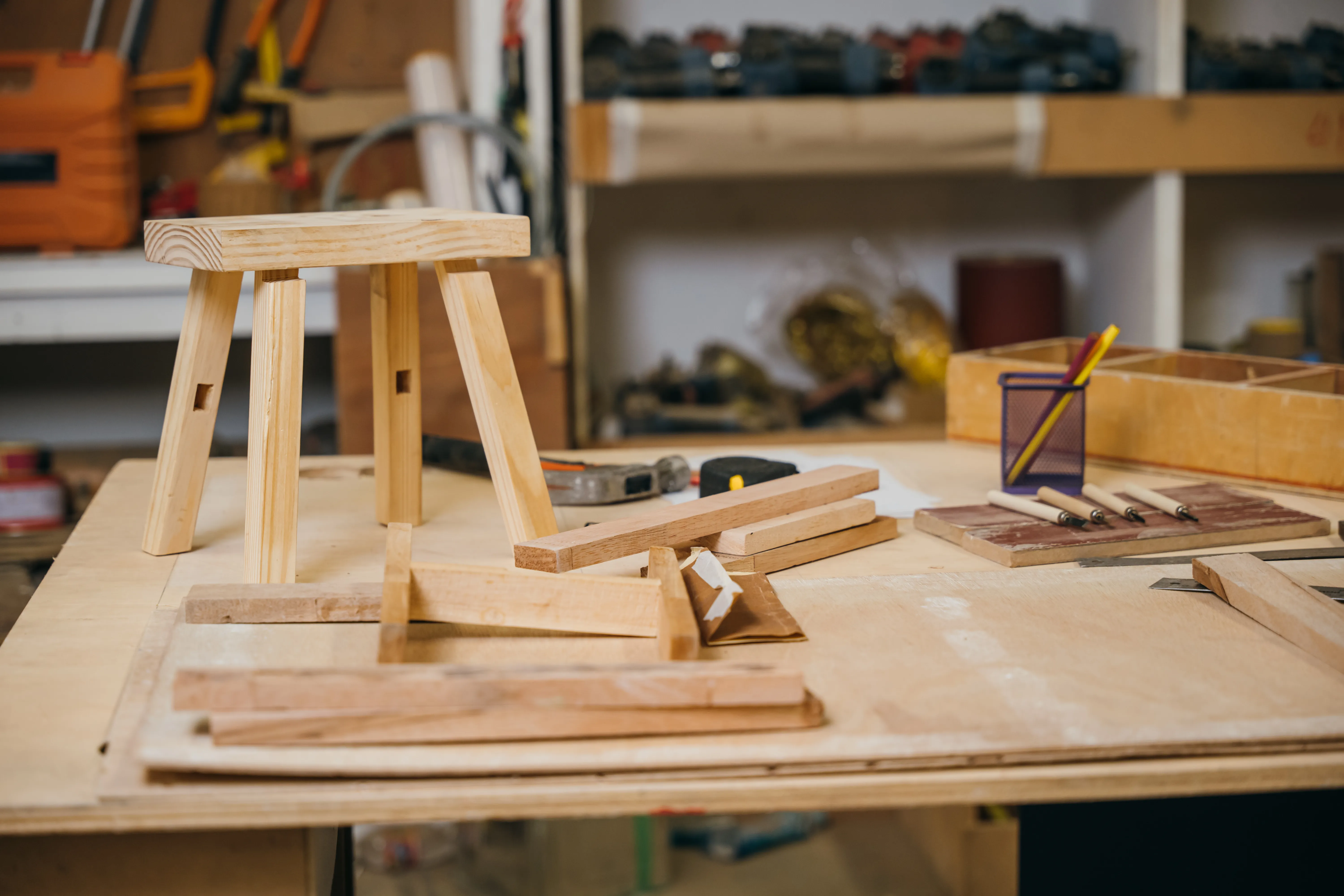
Seat and foam
Denser foam keeps its shape for longer. Ask for the foam type and thickness, and how the upholstery is fixed to the seat base. If you supply hospitality projects, ask whether a seat can be replaced without replacing the chair.
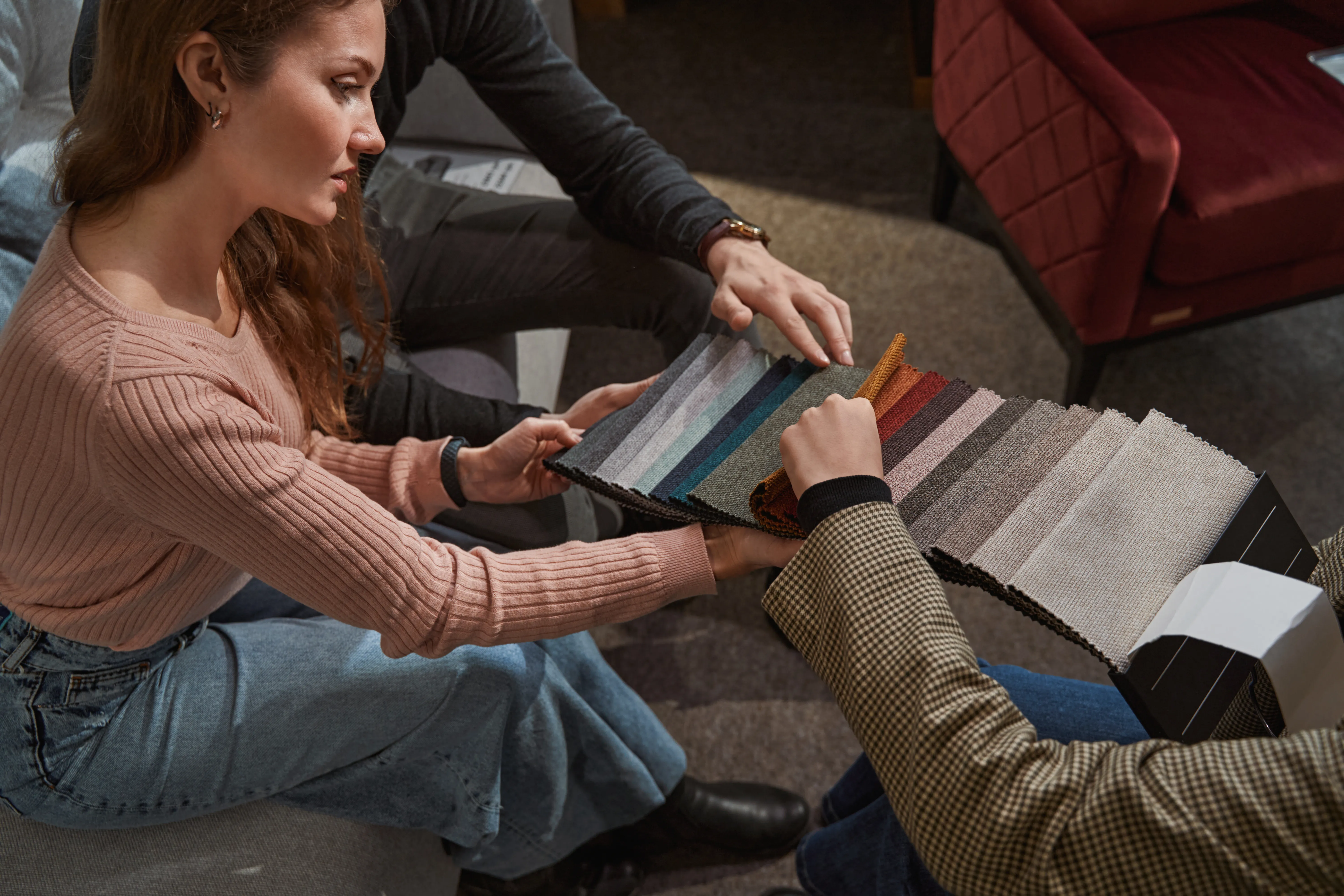
Fabric and finish
Ask for wear and cleaning information for each fabric. For metal frames, check the coating, for example powder coat. For wood, check the lacquer. Test a sample for chips, scratches and stains before you approve it.
At a Glance
Commercial Dining Chairs from U-LIKE
The terms we work to on dining chairs and the other pieces in our indoor range.
| Business Focus | OEM/ODM indoor furniture for importers, wholesalers, retailers and hospitality projects |
| Established | 2006 |
| Base | Headquarters in Tianjin, factories in northern China |
| Markets Served | Europe, the UK, the Middle East, Asia, Australia and Africa |
| MOQ, Dining Chairs | 100 pcs |
| MOQ, Tables, Coffee Tables, Sofas | 50 pcs |
| Production Lead Time | 45 to 60 days |
| Payment | 30% T/T deposit, balance against a copy of the BL within 10 days |
| Samples | Available |
| Enquiry Response | Within 24 hours |
Always ask when the lead time starts: at deposit, at sample approval or at fabric confirmation. A supplier who cannot answer this clearly will probably cause delays later.
Business Model
OEM or ODM: Which One Do You Need?
OEM
OEM means we build a chair to your own design and drawings. It suits importers with an established range or a specific project brief. It takes longer, because the design has to be developed and approved.
ODM
ODM means you choose a chair from our range and we adapt it. For a first order this is usually faster and lower risk, because the design is already in production.
What you can customise
On most chairs you can change the fabric, the leg finish, the dimensions, the packing and the branding. Agree the changes in writing and approve a sample in your chosen fabric and colour before the full order starts.
Specification
The Specification Sheet to Request
Ask every supplier for the same information, so quotes can be compared fairly.
| Ask for | Why it matters |
|---|---|
| Overall dimensions and seat height | Confirms the chair fits your tables and your customer’s space |
| Frame material and finish | Decides durability and cleaning |
| Seat foam and upholstery details | Decides comfort and lifespan |
| Fabric options and colour range | Shows what can be customised |
| Net weight, carton size, pieces per 40HQ | Needed to calculate freight cost per chair |
| Lead time and payment terms in writing | Avoids disputes after the deposit |
Want to see the quality first?
Request a sample in your chosen fabric and finish. Our team replies within 24 hours.
Get Free SampleCompliance
Testing and Safety
EN 16139
For seating used outside the home, the relevant European standard is EN 16139 (non-domestic seating). The 2025 edition replaced the 2013 version and added a backward fall test.
What to ask for
Ask for a test report for the exact model you are buying, not for a similar chair. Check which edition of the standard the report refers to, the name of the test lab and the date of the report.
UK fire safety
UK buyers should also check the fire-safety requirements for upholstered seating in their own market. The requirements differ between domestic and contract use, so confirm them with your compliance adviser before you order.
EU Rules
EUDR: What EU Importers Need to Know
What it covers
The EU Deforestation Regulation applies from 30 December 2026. It covers wood furniture, and seats with a wooden frame fall within its scope. Chairs with a metal frame and no wooden parts are not listed in the regulation. Chairs that combine metal legs with wooden or plywood parts need a closer check.
What the factory provides
For products in scope, the importer files the due diligence statement, and the factory supplies the information behind it: the timber species, the origin of the wood with geolocation, and evidence that it was legally harvested. Ask your supplier early what they can provide, because collecting this data takes time.
UK buyers
The regulation applies to the EU market. It does not apply to goods sold only in the UK.
Logistics
Samples, Packing and Shipping
Samples
Order a sample first. Check the build, the finish and the comfort by hand, then approve it in writing. Keep the approved sample as the reference for the production order.
Packing
Agree the packing method before production. Chairs are normally packed in cartons, and the number of pieces per carton decides how many fit in a 40HQ container.
Incoterms and inspection
Confirm the Incoterm, the port of loading and who pays for each cost, so the landed price has no surprises. Agree who inspects the goods before shipping, and what happens if a batch does not match the approved sample.
How to Choose
How to Choose a Chair Manufacturer
- Confirm the terms in writing. MOQ, lead time, payment terms and sampling should be in the quotation, not only in emails.
- Ask for evidence, not promises. Request the test report for your exact model and check its date and edition. Do the same for any certificate a supplier mentions.
- Choose the right model. ODM is faster for a first order. OEM suits an established range or a specific project.
- Ask about EUDR early. If the chair has a wooden frame, ask what species and origin data the factory can supply before you order.
- Compare the delivered cost. Add freight, packing and duties to the unit price. A chair that packs more pieces per container can cost less to land.
FAQ
Frequently Asked Questions
What is the MOQ for dining chairs?
100 pcs per order for dining chairs and armchairs. Tables and sofas start from 50 pcs.
How long does production take?
45 to 60 days, depending on the order and the materials.
What are the payment terms?
30% T/T deposit, with the balance paid against a copy of the BL within 10 days.
Can I get a sample before ordering?
Yes. Samples are available. Send us your requirements and we will quote.
Do EU buyers need EUDR information for dining chairs?
For chairs with a wooden frame, yes, from 30 December 2026. Chairs with only metal parts are not listed in the regulation. Check mixed-material chairs with your customs adviser.
Before You Order
Compare Answers, Then Approve a Sample
A good supplier is one whose samples, paperwork and delivery match what was quoted. Put the same questions to every manufacturer, compare the answers side by side and approve a sample before you commit to the full quantity.
You can also browse our wholesale dining chairs, read our FAQ on MOQ, lead time and payment, or see how we work in quality control and OEM/ODM services.
Work With U-LIKE
Ready to Quote Your Dining Chairs?
Send us your product list, quantity and destination port. Our team replies within 24 hours with a quotation and sampling options.